Cold Exposure and Fat Loss: What the Research Actually Says in 2026

For the past few years, cold exposure has been one of the most polarizing trends in modern health culture.
Ice baths moved from elite athletic recovery rooms into suburban garages. Winter swimming became a personality trait. Influencers framed cold plunging as everything from a metabolic accelerator to a hormone optimizer to a fat-loss shortcut.
But beneath the aesthetic of discipline and dopamine lies a more important question:
Does cold exposure meaningfully reduce body fat — or is the metabolic impact overstated?
This edition breaks down what we actually know in 2026, what has been exaggerated, and where cold exposure truly fits in a serious fat-loss strategy.
The Basic Mechanism: Why Cold Should Increase Calorie Burn
The theory is straightforward.
When you are exposed to cold, your body must maintain core temperature. To do that, it produces heat. Heat production requires energy. Energy comes from calories.
This process is known as thermogenesis.
There are two primary forms involved:
1. Shivering thermogenesis
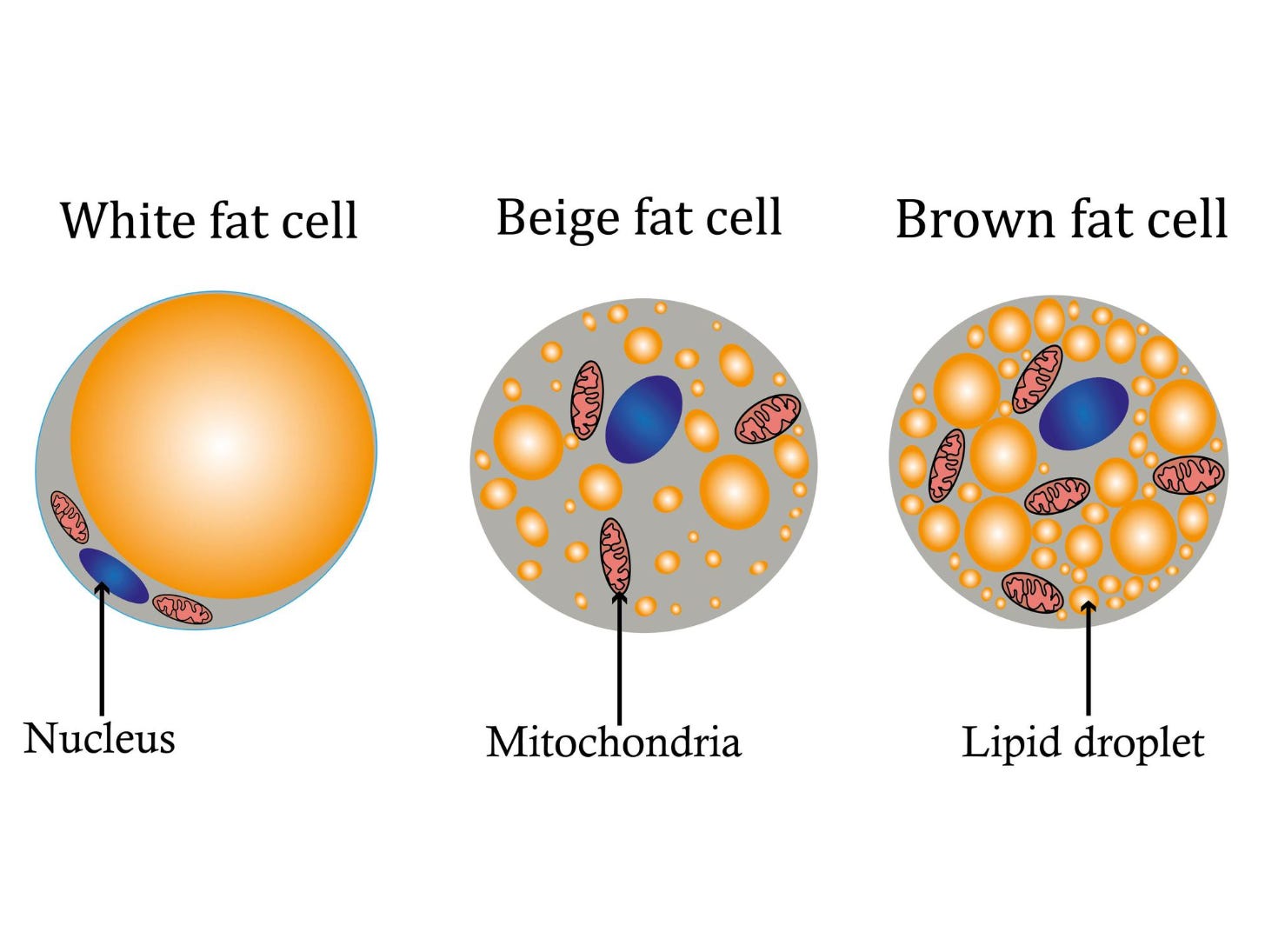
2. Non-shivering thermogenesis (largely driven by brown adipose tissue)
The distinction between these two determines whether cold exposure becomes metabolically meaningful — or merely symbolic.